




When you're stepping onto the field for soccer practice, what you wear can impact how you perform. It's not just about looking the part - though that can boost your confidence - having the right gear directly impacts your performance, comfort, and safety. Unlike a gym workout, soccer is a dynamic sport that requires specific gear to handle intense running, tackling, impacts, and sudden movements.
So what exactly should you be wearing for soccer practice? Let's take a look at the must-have items for your soccer bag. Remember, you can find everything you need at Storelli.com.
The 5 Must-Have Items for Soccer Practice
Whether you're a seasoned veteran or lacing up for the first time, these are the five items you truly need for a successful practice that helps you reach your soccer goals.
- Best for Total Protection: Storelli BodyShield Training Shirt

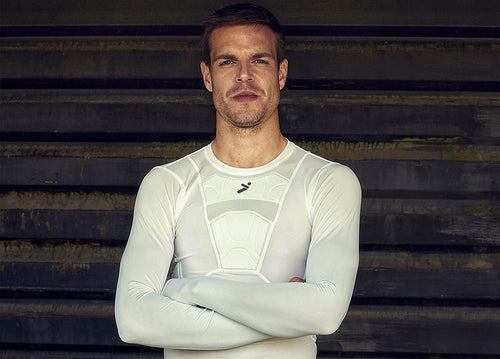
A soccer shirt is probably one of the first things you will think about when pulling together your kit, and comfortable clothing matters! This compression-fit shirt features impact-resistant padding to protect your chest and ribs. It's perfect for aggressive field players who aren't afraid to dive in and ideal for new goalkeepers still getting used to diving and falling.
- Best Classic Cleats for Grass: Adidas Copa Mundial
Athletic shoes are your next must-have. These iconic leather soccer cleats offer unmatched comfort and grip on a firm-ground grass field. They're a time-tested, pro-trusted choice that has been a favorite for decades.
- Best Lightweight Training Shorts: Nike Dri-FIT Academy Shorts
Training shorts that offer great mobility should be next on your list of soccer bag essentials. Designed for performance, these shorts are moisture-wicking and breathable, keeping you cool and dry during intense drills and scrimmages. They're a simple, reliable, and affordable choice for any player.
- Best Padded Gear for Keepers: Storelli ExoShield Goalkeeper Pants

Goalkeepers need a bit of extra protection for when they make those incredible dive saves. These ¾-length pants are specifically designed for goalkeepers, with built-in padding on the hips and knees to protect you during slides, dives, and tackles. They're a must-have for anyone training on turf or looking for extra protection. Check out Storelli's full range of goalkeeper pants.
- Best Socks for Grip & Comfort: Trusox Mid-Calf Anti-Slip Socks
Soccer socks for comfort and stability are also essential. Used by professional players around the world, these socks feature anti-slip pads to prevent your foot from sliding inside your soccer cleats. This not only prevents blisters but also elevates your traction and feel for the ball.
Full Breakdown: What to Wear to Soccer Practice
While those are our top picks for the best training gear out there, let's take a closer look at everything you need for the soccer season.
1. Shirt or Jersey
A good goalkeeper jersey protects your skin from abrasions and other hazards, but it should also be breathable clothing that still feels comfortable when you are working up a sweat. If you are a goalkeeper, you will need the extra padding of a goalkeeper jersey for protection when going to ground.
- Fabric: Polyester or performance blend (moisture-wicking)
- Fit: Athletic/slim fit is ideal
- Tip: Consider long-sleeve compression tops with padding like Storelli BodyShield to protect ribs and arms
- Avoid: Cotton (retains sweat and weighs down)
html button https://storelli.com/products/bodyshield-gk-3-4-undershirt-black
2. Shorts or Pants
Your shorts or pants also need to be breathable, and need lots of stretch so that you have full unrestricted movement while working towards your soccer goals, while still feeling modest and comfortable.
- Warm Weather: Go for lightweight training shorts
- Cooler Weather or GK: ¾ pants or thermal tights
- Goalkeeper-Specific: Prioritize padded pants (e.g., Storelli ExoShield)
- Avoid: Basketball shorts or loose gym pants
html button https://storelli.com/products/exoshield-goalkeeper-pants
3. Cleats / Soccer Footwear
Choosing the right athletic shoes is critical for grip and agility on the soccer field. Always match your soccer cleat type to the playing surface.
- Firm Ground (grass): Adidas Copa Mundial, Nike Phantom GX
- Turf: Nike Legend 10 TF or Adidas Mundial Team
- Indoor: Adidas Samba Classic
- Tip: Break them in before real practice
- Avoid: Running shoes or basketball shoes
4. Socks & Shin Guards

Your socks are more than just a cover; they're part of your protective gear, protecting against abrasion and keeping your shin guards in place. Shin guards protect you against the inevitable impacts from soccer balls and other players.
- Socks: Long, cushioned socks (go over shin guards)
- Shin Guards: Choose slip-in with compression sleeves for adults and full ankle protection for kids
- Bonus: Anti-slip socks (Trusox) for advanced players
html button - https://storelli.com/products/speedgrip%C2%AE-socks-3
5. Optional Extras (But Highly Recommended)

- Goalkeeper Gloves: These are essential for your team's goalkeeper to protect their hands and give them the grip to control the ball. Choose goalkeeper gloves with padded palms and snug wrist wraps. Explore Storelli's full range of soccer goalie equipment.
html button - https://storelli.com/collections/gloves
- Base Layers: Thermal tops and bottoms are great for staying warm in winter, so your training isn't affected by the weather. You can also use a light jacket during your warm-up.
- Headgear: While optional, soft-padded headguards are a wise choice for youth players to prevent minor head injuries. The Exoshield Soccer Headguard combines comfort and protection.

- And More: Complete your soccer bag with optional extras such as water bottles, towels, post-practice glove wash, and, of course, a first-aid kit. It is always best to have all the soccer training equipment you need on hand, rather than discovering that you are missing something essential on the football pitch.
Weather-Specific Guidelines
Playing soccer means training in all conditions. Here’s how to adapt your soccer training equipment and gear.
Hot Weather
In the summer soccer season, choose breathable materials such as Dri-FIT or other cooling fabrics. Maybe even choose sleeveless jerseys or mesh panel shirts. Make sure that you are well hydrated before training and always have water bottles on hand for hydration, though you should never drink too much during training as it can dilute your electrolytes, leading to headaches and cramps. Instead, have an electrolyte-restoring drink post-training.
Cold Weather
In the colder months, layer up with thermal compression tops and bottoms under your jersey and shorts. If you really feel the cold, you can also use gloves, a headband, and a neck warmer to protect your extremities. A lightweight rain jacket can be a lifesaver if it starts to drizzle.
What Not to Wear
As well as having the right gear, it is important to avoid using the wrong things. Avoiding these common mistakes can save you from discomfort and potential injury.
- Cotton Clothing: It gets heavy when wet and can cause painful chafing.
- Unsuitable Shoes: The wrong footwear increases your risk of sprains and other foot injuries.
- Loose Jewelry or Watches: These can catch on clothing or other players, creating a safety hazard.
- Heavy Layers: Bulky clothing restricts your movement and can cause you to overheat quickly.
Style Meets Performance: Why Gear Matters
The gear you choose is more than just fabric and padding; it's a reflection of your commitment to the game. When you look and feel ready to play, your confidence soars. It’s the "look good, feel good, play good" effect. Padded gear and proper footwear can protect you from scrapes, bruises, and more serious injuries. Knowing you're properly equipped allows you to play more aggressively and focus on the game without worrying about getting hurt (but don't forget to include a first-aid kit in your soccer bag).
Final Tips
Finding the right soccer gear should start with functionality. You need soccer cleats for the type of surface you play on, soccer socks and shin guards to protect your shin bones, and goalkeeper gloves that will help you pluck soccer balls out of the air as they fly towards the goal. So start with a functional list, and then find durable pieces that tick all the boxes and align with your personal style, giving you an essential confidence boost to take your game to the next level.
Need gear trusted by goalkeepers, defenders, and playmakers alike? Explore innovative soccer gear at Storelli.com, designed by athletes, built for protection.
FAQs
What should I wear to soccer practice in hot or cold weather?
In hot weather, wear lightweight, moisture-wicking soccer practice clothes that keep you comfortable while sweating. Don't forget to consider moisture-wicking soccer socks. For cold weather, layer up with thermal compression gear, gloves, and a neck warmer.
Are there specific types of cleats for different playing surfaces?
Yes, you should match your soccer cleats to the surface of your soccer field. Firm Ground (FG) cleats are for natural grass, Turf (TF) soccer cleats are for artificial turf, and Indoor (IC) shoes are for indoor surfaces. Always choose a proper soccer cleat over generic athletic shoes for both safety and performance.
Is it necessary to wear compression gear during soccer training?
While not strictly necessary, compression gear can improve blood flow, support muscles, and help with recovery. Padded compression gear also offers protection for aggressive players or players who need to dive for the ball, like the goalkeeper.
What are the best clothing options for beginner soccer players?
Beginners should focus on the basics: a moisture-wicking shirt, athletic shorts, soccer socks, shin guards, and the appropriate cleats for your playing surface. A good soccer clothing dealer customer service department should help.

