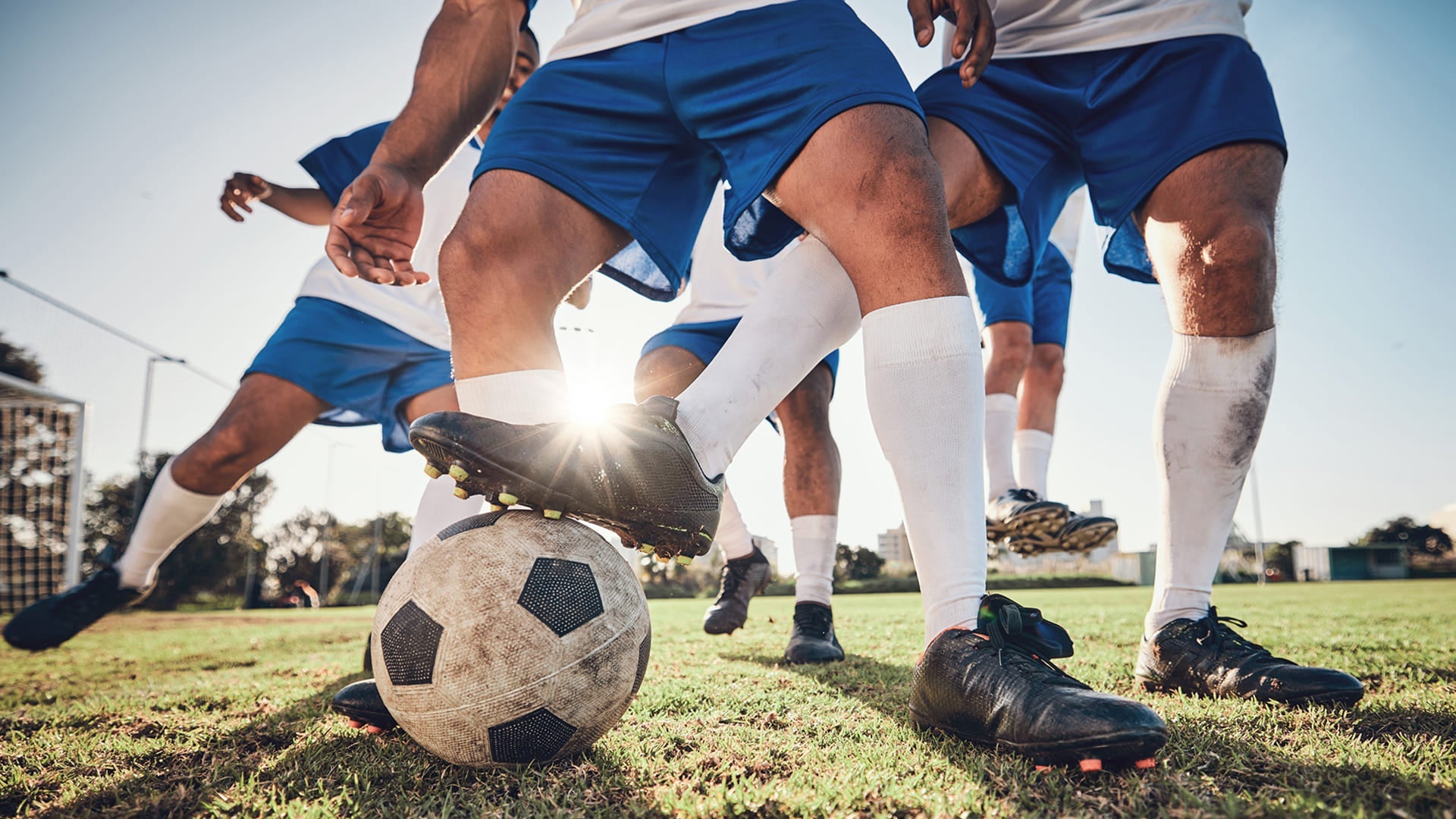


When you think of sports-related concussions, American football is likely going to be the first thing that pops into your head. After all, the sport is all about helmeted players colliding at high speeds. On the other hand, soccer is often viewed as "safer" due to its non-contact nature. However, rising data from athletic trainers and medical professionals reveal that both sports carry serious concussion risks that deserve equal attention.
So let's compare incidence rates between soccer and football and examine gender disparities in head injuries to help you plan and discuss prevention strategies, including protective gear options for each sport.
Concussion Rates: Soccer vs Football
Football Still Leads—But Not for Everyone
Here's something that might surprise you: while American football consistently reports the highest number of concussions overall among high school and collegiate athletes, the script flips when you look at female sports. Female soccer players actually face higher concussion rates than athletes in most other popular sports.
This finding challenges most assumptions about soccer being considered a safer sport. Both youth football players and school soccer players rank in the top three sports for head injuries across most age groups. So if you're trying to choose the "safer" sport for long-term prospects (whether for an actual career or leisure), look beyond just the obvious contact levels.
The research tracking sports-related concussions across United States school sports supports these findings and showcases a pattern: Professional football players get more media attention for brain injuries, but local collegiate athletes and school athletes in both sports face substantial risks.
Frequency by Athlete-Exposure
When researchers look at "athlete-exposures" (basically, how often players get hurt per game or practice), here's what they find:
- American football: Approximately 10.4 concussions per 10,000 athlete-exposures (AEs)
- Female soccer players: Around 8.2 per 10,000 AEs
- Male soccer players: Approximately 3.6 per 10,000 AEs
These rates of concussions (which only looked at high school players) highlight significant differences between male and female athletes in soccer. The higher risk of concussion among female soccer players is perhaps the most worrying statistic here, as it broke preconceived notions about female sports and also pointed to an entirely new field of research on gender disparity in sports.
At the same time, there are stark differences between injury rates in collegiate and high school football. According to additional studies, concussion rates for high school players nearly double those of their collegiate counterparts. Conversely, the injury rates for soccer are not nearly as stark.
What Causes Concussions in Each Sport?
Football: High-Speed, High-Impact Collisions

Let's be honest about American football: the sport is designed around player contact. You're going to see collisions between players on almost every single play. The head injuries in football mainly come from helmet-to-helmet hits, aggressive tackling, and those chaotic pileups where multiple athletes crash together. The risk is even higher for defensive players (linemen and linebackers), as their role literally requires them to get in front of other athletes and force them to stop.
However, the repetitive head injuries common in football extend beyond diagnosed concussions. Even high school football players experience thousands of subconcussive impacts throughout a season, which are asymptomatic and therefore unreported, but can have devastating cumulative effects on brain functions.
Collegiate football players and professional athletes face even higher exposure levels due to longer seasons and more intense training regimens.
Soccer: Unprotected Heads, Unexpected Collisions

Soccer concussions happen in completely different ways from football injuries. The biggest culprit is body-to-body impacts when players go up for aerial challenges (headers). But unlike football players who wear protective helmets, soccer players have no such gear, leaving them exposed to injury both during the head-on collision and the subsequent fall.
Another cause for concern is head-to-ball contact, especially when the high-velocity soccer ball strikes an unprepared player's head. This can cause immediate traumatic brain injury, and the unpredictability and lack of protection make prevention tactics practically a futile effort.
Goalkeepers also face unique risks in soccer, including collisions with goal posts, diving saves that result in head contact with the ground, and confrontations with attacking players in the penalty area. Youth goalie gear designed specifically for younger players can help reduce some of these risks, but adult players have limited options.
Gender Disparities: Why Female Soccer Players Are at Higher Risk
Biomechanical and Biological Factors
Female players typically have smaller necks and weaker cervical muscles compared to male athletes. In scientific terms, they experience higher head acceleration during impact. In practical terms, their heads get whipped around more violently when they get hit. This results in greater forces being transmitted to the brain in the process, increasing the risk of a concussion.
There's also emerging research suggesting that hormonal cycles might influence both concussion susceptibility and recovery times in female athletes. Certain phases of the menstrual cycle might affect how the brain responds to injury and heals afterward, but research on this topic is still in its early phases.
Finally, body composition differences between male and female athletes change injury dynamics. Females have different center-of-mass distributions, potentially altering how they fall and make contact during collisions. This can influence the likelihood and severity of injury after impact.
Reporting and Diagnosis Trends
Higher self-reporting rates among female athletes can also explain the increased concussion statistics. Female soccer players are more willing to report concussion symptoms compared to male athletes, who may downplay injuries or "tough it out" to still be considered in their prime.
However, underreporting remains a significant concern across both genders and sports. The differences in concussion rates between male and female players likely reflect both actual injury rate variations and reporting behavior differences, making accurate studies and long-term outlooks difficult.
Long-Term Effects of Repeated Concussions
CTE and Cognitive Decline
Chronic traumatic encephalopathy (CTE) has become synonymous with football due to extensive research involving former professional players. Consequently, American football athletes show higher documented rates of this neurodegenerative condition, likely because of the sport's high frequency of head impacts and longer research history.
However, soccer players, especially those with histories of frequent heading, are starting to show up in CTE studies and statistics. Professional soccer players who head balls regularly throughout their careers demonstrate changes in brain structure similar to those seen in other contact sports athletes.
And this isn't just about professional athletes. High school boys and collegiate players in both sports are showing cognitive changes after experiencing multiple head injuries. This is why prevention matters at every level, not just the pros.
Emotional and Functional Impact
Recurrent concussions in both sports have been shown to correlate with increased risks of memory loss, attention deficits, irritability, and depression. The risk of emotional and functional stunting increases dramatically after three or more documented concussions in either sport.
Athletes with a rich history of multiple head injuries may need to consider retirement from their sport to preserve long-term brain health.
Due to research that has disclosed these trends emerging only in recent decades, future studies will determine the long-term ramifications of head impacts. However, current results already show concerning trends that warrant a more proactive approach to player safety.
Prevention: What Works and What Doesn't


Helmets vs Headbands
Football helmets effectively reduce skull fractures and some types of head trauma but cannot prevent all concussions and brain injuries.
Soccer goalie equipment including headbands like the Storelli ExoShield, may not provide the same protection as football helmets but can absorb part of the impact forces during aerial challenges and collisions.
Ultimately, both sports require better enforcement of existing safety rules and the development of new regulations addressing dangerous play. Equipment alone can only reduce concussion risk.
Coaching and Technique
Proper technique training is by far the most effective prevention strategy in both sports.
Football programs that implement safer tackling methods, like the Heads Up Football initiative, show real reductions in injury rates when coaches consistently enforce proper form.
Soccer coaches can reduce head injury risk by teaching safe heading techniques and discouraging aggressive challenges near the goal area. Training players to protect themselves during aerial challenges helps minimize dangerous collisions between players.
Gear and Tools to Mitigate Risk
There are more options for protective equipment than ever before, and some of them are pretty impressive.
The Storelli ExoShield Head Guard is designed specifically to absorb soccer impact forces during headers and collisions.
Meanwhile, Shock Doctor mouthguards provide jaw stabilization that may reduce concussion severity in both sports. Properly fitted mouthguards can minimize certain types of impact transmission to the brain.
Finally, vision screening tools help identify athletes with visual processing issues that might increase reactive injury risk.
Quality protective gear extends beyond head protection and can include equipment that prevents situations leading to head injuries. For example, goalkeeper gloves with enhanced wrist protection or shin guard sleeves help prevent injuries that might lead to dangerous falls and secondary head impacts.
If you want to get some of the most impressive soccer gear for men and women can get, explore Storelli's collection. Storelli makes comprehensive protection systems designed specifically for association football's unique risks and requirements.
Recovery Protocols and Return-to-Play
Sideline and Baseline Testing
The King-Devick Test has the potential to be the most effective concussion screening for both sports. This simple visual assessment can detect subtle cognitive changes that might not show up through standard observation.
At the same time, pre-season baseline testing can measure reaction time, memory, and processing speed, creating personalized recovery targets. The next season's testing can reveal additional points of concern.
How Recovery Timelines Differ
Athletes commonly avoid showing weakness or inability to play. Football players sometimes downplay symptoms because they're worried about losing their spot on the roster, while soccer players often face pressure to return quickly because their seasons are busier.
Here's what medical professionals have to say on the topic: return-to-play decisions absolutely must prioritize long-term health over short-term competitive goals. A proper, medically guided, step-by-step return protocol ensures athletes get back their full cognitive and physical function before they get exposed to more risk.
That said, recovery times vary significantly depending on the exact injury, with some athletes requiring weeks or months to fully recuperate from concussion symptoms. Rushing return-to-play only increases the risks of more severe secondary injuries, which ultimately prolongs the recovery timeline.
Conclusion: Which Sport Is Safer?
The question isn't about labeling one sport "safe" versus "unsafe" but rather understanding and appropriately managing inherent risks in both activities. Soccer and football each carry significant concussion risks through different mechanisms, affecting various populations in distinct ways.
Both sports can minimize these risks through proper equipment use, rule enforcement, technique training, and cultural changes that prioritize athlete safety.
With appropriate precautions, both soccer and football can be enjoyed more safely. And quality equipment options available at Storelli.com can provide additional protection while maintaining the enjoyment and benefits of sports participation.
FAQs
Does soccer or football get more concussions?
Football records more total concussions overall, but among female athletes, soccer leads in concussion incidence rates. The risk varies significantly by gender, with female soccer players experiencing approximately 8.2 concussions per 10,000 athlete exposures compared to 3.6 for male soccer players.
What is safer, soccer or football?
Neither sport is inherently "safe" when it comes to head injuries, as both carry concussion risks through different mechanisms. Football has more frequent impacts, while soccer doesn't provide enough protection, especially for female players.
What sport has the highest concussion rate?
Football has the highest overall concussion rates among male athletes, while soccer leads among female athletes. Ice hockey, lacrosse, and wrestling also rank high for sports-related concussions across different age groups and genders.
What is the safest sport for concussion prevention?
Non-contact sports like swimming, track and field, tennis, and baseball typically show the lowest concussion rates. However, even these activities carry some head injury risk, showcasing that proper safety education and equipment remain important regardless of sport choice.