


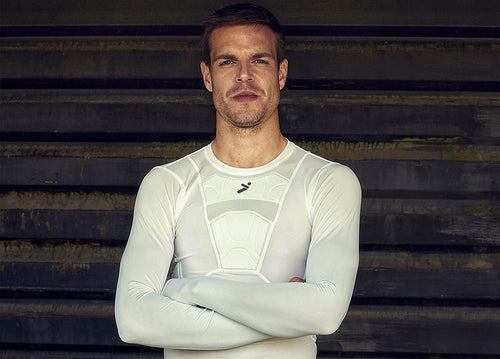


Soccer is the world’s most played and most watched sport. From a kick around in the local park to the polished pitches in Europe, the game has a reach and following unlike any other. It's an easy sport to follow: one ball, two goals, and teams competing to outscore one another. Soccer is a physically intense sport, and most people recognize the physical benefits, such as improved cardiovascular health, better muscle tone, stronger bone densities, and greater physical fitness. Yet what is often overlooked is how soccer shapes the mind. Beyond the obvious fitness gains, the sport has the power to strengthen mental health, and in particular, sharpen cognitive skills, and build social connections that last a lifetime.
Emotional Well-Being and Resilience
Stress Relief Through Physical Activity
Engaging in regular physical activity, like soccer training sessions or weekend league games, has a profound impact on mental well-being. Movement stimulates the release of endorphins, which are often described as the body’s natural mood enhancers. That surge of feel-good chemicals brings stress relief and can help players cope with the pressures of everyday life. Adults report clearer thinking and reduced anxiety after physical exercise, while young athletes find that even short sessions on the field calm their nerves and lift their spirits. Playing soccer outdoors, where the adrenaline rush of competition meets fresh air and social support, is an antidote to the isolating demands of modern life.
Confidence Through Mastery and Achievement
One of the great gifts of sport is the confidence that comes from gradual mastery. In soccer, a player may start out struggling with technical skills like first touch or accurate passing. With practice, milestones arrive: a crisp strike on goal, a successful dribble past a defender, or a smart interception. Each achievement fuels self-esteem. For youth athletes, these moments of progress build a stronger sense of identity and self-worth. For adults, contributing to a team environment, whether through scoring, assisting, or offering encouragement, brings motivation and a sense of belonging.
Managing Emotions and Learning to Bounce Back
Soccer also teaches the art of resilience. Games don't always go as planned; every player experiences losses, missed chances, or even injuries. Learning to deal with setbacks and disappointments is an important skill in itself. Children who experience disappointment in a disciplined setting like a youth soccer program often develop mental resilience that helps them handle academic pressures or interpersonal relationship stress. Adults gain the same benefits by channeling frustration into determination and showing mental toughness that transfers to work and family life.
Social and Interpersonal Growth

Teamwork and Communication
Unlike individual sports, soccer is a collective effort. Each move depends on communication and trust. This collaboration builds social skills that are vital in daily life. Players learn empathy by recognizing teammates’ emotions and adjusting their behavior to strengthen team cohesion. In the same way, coaches often use cooperative learning drills to foster team building, mirroring the group dynamics found in school, workplaces, and community organizations.
Friendship and Belonging
The bonds formed in soccer extend far beyond the field. For many children, joining youth soccer organizations or a local club is their first introduction to a structured social circle outside of school. These friendships provide a protective barrier against peer victimization or bullying. Shy youngsters or those who might struggle academically often come out of their shell, finding a sense of belonging that boosts confidence and overall mental health. Adults also benefit, as they learn to cope with loneliness and perhaps form friendships over their shared love of a sport.
Leadership and Accountability
Soccer nurtures leadership skills in subtle but powerful ways. Captains learn to motivate their peers, mediate disagreements, and serve as role models for younger players. Even without formal titles, athletes are encouraged to take responsibility for their actions on the field. Missing a training session, failing to track back defensively, or neglecting warm-ups affects not just the individual but the team environment. Over time, accountability becomes second nature so fostering both discipline and integrity.
Cognitive and Developmental Benefits
Enhanced Focus and Concentration
Soccer is a sport of constant motion. The ball can change direction in an instant and demands sharp reaction times and memory recall to anticipate opponents’ moves. For young players this develops cognitive skills such as focus, sustained attention, and spatial awareness. Adults find that regular participation helps maintain mental sharpness and reinforces healthy lifestyle habits that support optimal functioning well into later years.
Strategic Thinking and Problem Solving
Every game presents a puzzle. Should you pass, dribble, or shoot? Is it wiser to press aggressively or hold formation? These decisions require strategic thinking and flexible problem-solving. The ability to adapt to changing scenarios improves social cognition and encourages quick decision-making in other aspects of life from academics to professional problem-solving.
Academic and Life Skill Carryover
Skills developed in soccer can be transferred to school and work. Many young athletes discover that the structure of practices and matches helps them excel academically. Adults, too, find that lessons from the field, like teamwork, stress management, and emotional regulation, carry over into career performance and interpersonal relationships.
Building Mental Toughness in Young Athletes

Competitive youth sports can be demanding, and players have to deal with nerves and excitement. Exposure to high-stakes moments, whether in local derbies or larger tournaments, fosters mental toughness. Players learn how to cope under extreme pressure and remain composed under scrutiny. Performance psychologists note that this kind of pressure, when guided by positive coaching, strengthens emotional regulation and builds mental resilience. This allows children to manage future challenges, and for adults, it reinforces grit and persistence in the face of setbacks.
Preventing and Overcoming Mental Challenges
Combating Isolation and Bullying
Soccer can act as a shield against loneliness. In today's society, more children are addicted to online entertainment. Participation in team sports reduces the risk of bullying victimization by creating strong friendship networks. The camaraderie of a team cushions players against interpersonal relationship stress, providing both friendship and social support. For children at risk of childhood obesity or peer victimization, joining a soccer program can be life-changing, offering both physical exercise and belonging.
Support Systems Through Coaches and Peers
Coaches play a critical role in the mental development of players. Through encouragement, mentorship, and goal-setting, they shape more than just physical health and influence character. Peers, too, provide social support by celebrating victories and offering comfort in defeat. Recognition and rewards within a team, whether it’s being named player of the match or receiving encouragement during tough times, will help sustain motivation and mental well-being.
Encouraging Positive Mental Habits for Life
Soccer instills routines that promote healthy lifestyle habits beyond the sport itself. From consistent physical activity to maintaining body composition and body weight, the discipline of training develops perseverance. Adults often carry these lessons into other areas of life. Children gain exposure to goal-setting and perseverance early, setting the stage for a healthier adulthood. The physical health benefits of improved cardiovascular profiles, stronger grip strength, and better muscle mass are complemented by lifelong mental resilience and emotional balance.
Equip for Mental and Physical Confidence
Confidence is closely tied to preparation. Injury prevention and protective equipment play a vital role in allowing players to perform with peace of mind. High-quality gear not only reduces the risk of setbacks but also enhances performance. Whether you are a junior or an adult, investing in soccer gear is important. From women's soccer gear to youth goalie gear, Storelli.com provides advanced soccer gear designed for youth athletes and adults alike. Goalkeeper protective gear is essential, and Storelli.com has a great range for all levels and budgets of soccer goalie equipment.
With the right support, players can focus fully on the game, trusting that their safety and performance are backed by innovation.
Conclusion: Soccer’s Silent Strength
Soccer is far more than a sport. It is a training ground for mental well-being, emotional intelligence, and resilience. From reducing symptoms of mental illness to strengthening social connections and encouraging cooperative learning, soccer equips players of all ages with tools that extend beyond the pitch. Families, educators, and coaches who encourage participation are not just supporting physical health, but they are fostering confidence, discipline, and psychological growth. Soccer’s true power lies in these silent strengths shaping healthier, happier individuals across the world.
FAQs
How is soccer good for your brain?
Soccer challenges cognitive skills like focus, memory recall, and reaction times. The constant need to assess space, anticipate plays, and adjust tactics keeps the brain active and improves mental resilience. Soccer is like a puzzle to solve to score the most goals.
Why does soccer make me happy?
Soccer boosts moods by combining physical activity with social support. Endorphin release, friendships, and a sense of belonging create a powerful formula for happiness. Even just chatting with teammates about a game and focusing on something other than the stress of a hectic day can be beneficial.
What is the best sport for mental health?
While many sports benefit mental health, soccer stands out because it combines physical fitness with teamwork, strategy, and community support which makes it one of the most effective for overall mental well-being.
How can soccer relieve stress?
Soccer provides stress relief through physical exercise, social connections, and emotional regulation. The adrenaline rush of play, paired with camaraderie, definitely helps players unwind and regain perspective.
