


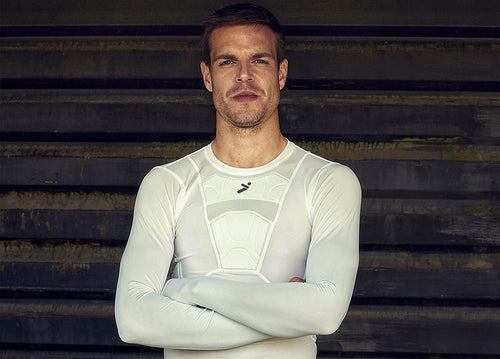


In association football, every position matters, but none carries the weight of responsibility quite like the goalkeeper. A great striker may win a game with a moment of brilliance, but a great keeper can preserve the team's success week after week. Goalkeepers balance athleticism with a leadership mindset. They must read the play, organize defenders, and summon lightning-quick reactions for a diving save that shifts momentum. One mistake or distraction can lose the whole game, so mental training is as important as physical training to be a good goalkeeper.
Good goalkeeping coaching starts with proper technique and confidence but it also depends on protection. Brands like Storelli have earned a reputation for building high-quality soccer goalie equipment that gives keepers the confidence to throw themselves into every challenge.
Mindset of a Great Goalkeeper
Emotional Resilience and Focus
Mistakes are inevitable, but the best keepers know how to let them go mid-game. Emotional resilience is about rebounding quickly and showing teammates that one blocked shot doesn’t define the match. Many goalkeeper coaches stress the importance of staying present – what they call the “here and now” rule – because lingering on errors leads to hesitation. Maintaining concentration during stressful games is a skill, and not letting one missed goal lower morale is as important.
Mental Toughness and Self-Talk
Goalkeeping is as much mental as physical. Training with emotional intensity prepares keepers for high-pressure moments while constructive self-talk helps silence the voice that says “can’t” or “impossible.” Visualization or imagining fingertip saves or perfectly timed outlet passes can help players arrive on game day with their focus sharpened. Having a determined positive attitude is important in this position.
The Gift of Failure
Failure is a constant teacher on the pitch. Every missed catch, every goal conceded is fuel for growth. Some keepers use rituals like visualizing themselves throwing mistakes into a “trash can” to reset. They also remind themselves that pressure rests on the attacker: the striker has to score, while the keeper has only to react with confidence. Using failure to fuel better training is the essence of a good keeper, always striving to be better.
Essential Technical Skills for Goalkeepers

Positioning & Angle Play
The art of positioning begins with staying aligned to the ball at their feet. Cutting down angles forces poor shooting decisions, especially during free-kick and corner-kick situations. Good positional awareness helps a keeper narrow the target game into something far less intimidating. This comes with training and game experience.
Catching, Diving, and Smothering
Strong ball handling is the backbone of all goalkeeping skills. The “W” hand shape creates security in catches, while the three-hand dive technique makes it so two hands plus the body will ensure control. Smothering ground balls requires full commitment, and practice drills often start with the player seated before progressing to kneeling and full standing dives. These movements build quick, refined footwork skills that carry over to every training session.
Communication and Command
The keeper is a conductor as much as a last line of defense. By vocally organizing defenders, they remain engaged even when the ball is far away. During set pieces like corners, chaos demands clarity, and the loudest, most decisive voice often dictates whether the team concedes or clears. Being a good communicator is an important skill for a goalkeeper.
Breakaway and 1v1 Situations
Closing Space Early
One hallmark of elite goalkeepers is their anticipation skills during one-on-one breaks. By timing explosive runs off the line, they shrink the penalty area and force the attacker into rushed decisions. The less time the striker has to think, the more likely they are to make a mistake, which is why pressure is key.
Staying Big and Committed
Hesitation is costly. Staying big, closing angles, and committing fully make attackers second-guess themselves. A goalkeeper who holds ground with strong body presence increases the likelihood of forcing a poor finish.
Drills to Build a Good Keeper

Shuffle Square
This target game drill trains agility skills, recovery, and ready position in tight spaces. Variations include crawling, diving, and smothering, all of which build resilience.
Bounce & Catch Variations
Reflex training sharpens reaction time and coordination. Using leg lifts or even no-look drills improves confidence in fingertip saves and blocked shot recoveries.
Visual Tracking & Peripheral Awareness
Keeping the head still while following the ball enhances visual focus, while peripheral awareness drills improve decision-making under pressure.
Explosive Scoop + Quick Distribution
Modern keepers don’t just stop shots—they also distribute the ball to launch attacks. Explosive scoop drills followed by quick distribution, whether through a sidearm throw or drop kick, simulate match scenarios where the goalkeeper becomes the first attacker.
Handling PKs Like a Pro
Understanding Shooter Behavior
Penalty kicks are psychological battles. Reading the angle of approach, body shape, and whether the player prefers their right or left foot helps predict patterns. Subtle psychology, like delaying setup can heighten shooter anxiety.
Making the Save
Once the choice is made, commitment is absolute. Some keepers bait shooters by leaning slightly one way before diving the other. Even if the first save isn’t clean, being ready to pounce on rebounds keeps the play alive and gives outfield players a chance to clear.
Distribution: The Keeper as the First Attacker

Choosing the Right Method
Distribution is a skill that separates good keepers from great ones. Long punts cover distance, drop-kicks cut through the wind, while throws and rolls are perfect for controlled build-up. Sidearm and javelin throws offer precision for outlet passes to wingers.
Practicing Ball Placement
Repetition is key. Practicing ball placement with backspin builds accuracy, while decision making – whether to push for a fast break or slow the tempo – comes with experience. Great keepers don’t just stop goals; they distribute the ball to shape the flow of play.
How to Train Like the Top 2%
Simply showing up isn’t enough. The best keepers treat every training session like a match, creating intensity and focus that prepares them for game-day pressure. Visual drills combined with physical repetition forge the mental skills that define elite performers.
Gear Up for Success
Confidence is easier when you’re protected. Proper gloves, goalkeeper pants, and compression layers like goalkeeper leggings reduce the fear of injury. A well-fitted goalkeeper jersey or padded goalie shirt cushions impact, while youth soccer goalie pants give younger players security as they learn. Storelli’s goalkeeper protective gear is trusted worldwide, making it easier for keepers to focus on play instead of pain.
Be the Keeper Your Team Can Trust
Great goalkeeping is never about one single quality. It’s the blend of mindset, technical precision, and relentless training that creates a true backbone for the team. The keeper is expected to read the game like a coach, execute with the athleticism of an outfield player, and show the resilience of a leader under pressure. It’s a role that demands constant growth, learning from mistakes, refining footwork skills, and reinforcing trust within the squad day after day.
What separates good keepers from great ones isn’t just talent but consistency. The daily grind of practice drills, the discipline to stay sharp even when the ball is far away, and the courage to dive headfirst into danger define the position. To play with confidence, keepers also need to protect their bodies as much as their goal. Investing in soccer goalie equipment and specialized goalkeeper protective gear allows players to focus fully on the game, knowing they’re covered for the impacts and collisions that come with the territory.
Every great save, whether it’s a fingertip push over the bar, a smothered one-on-one, or a perfectly judged outlet pass that sparks a counterattack, reinforces the truth that the goalkeeper is more than a last line of defense. They are the first attacker, the vocal organizer, and the steady presence that teammates lean on when the pressure rises. Becoming that kind of keeper doesn’t happen overnight, but with focus, smart practice, and the right youth goalie gear, it’s well within reach. Own your penalty area. Command the defense. Be the foundation your team can build on, and the backbone they can’t do without.
FAQs
What is the 5-second rule for goalkeepers?
Under the back-pass rule, a keeper is allowed only a few seconds – traditionally five – to control the ball with their hands before releasing it. The intent is to keep the game flowing and prevent time-wasting.
How can I improve my reaction time and reflexes as a keeper?
Reaction time improves through specific training drills like bounce-and-catch, peripheral vision work, and agility skills such as ladder runs. A goalkeeper coach may also recommend quick feet exercises that build explosive responses for diving saves.
What drills can I practice at home to become a better goalkeeper?
Simple practice drills include wall rebounds for ball handling, ladder work for footwork skills, and target games with cones to refine positional awareness. These can be adapted for youth soccer players or adults alike.
How do I stay confident after making a mistake during a match?
Confidence comes from mental recovery rituals. Some keepers use visualization to “throw” errors away, while others lean on constructive self-talk or positive feedback from teammates. Remember, one mistake doesn’t define your game; what matters is how you respond in the next play.
